Orhan Pamuk’s Nights of Plague and a world of contradictions

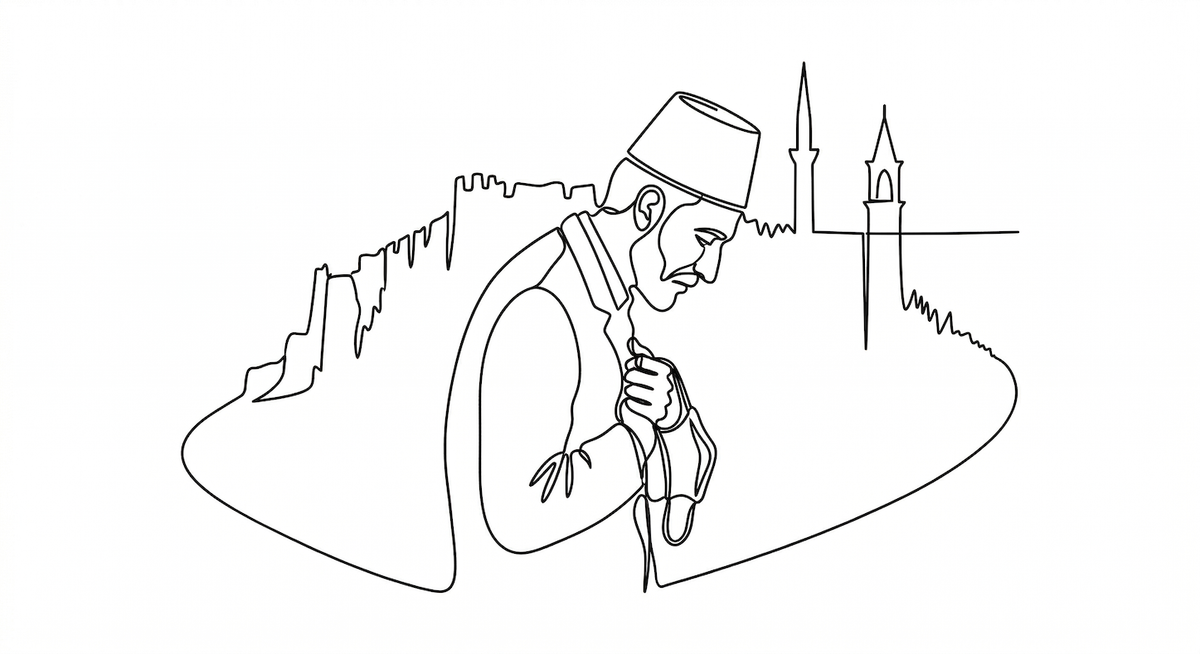
I picked a copy of Nights of Plague by Orhan Pamuk back in 2023 on a visit to India. Pamuk is among the very few Turkish writers that I had heard of. I don’t think I was aware before picking the book that he had a Nobel Prize in literature. I might have picked the book because the cover was really nice. I might have also been attracted by the title because of the recent experiences of Covid lockdown and the recent introduction of Albert Camus’s Plague in my life. I brought the book with me among other books that I had bought on that trip to India. And as generally goes with books bought on a whim, I put the book in my collection without even turning a page. The book remained there until fate decided to deliver its connection with something almost personal.
Because of the thirst Rushdie’s books had aroused within me, I was looking for books of historical fiction and magical realism everywhere. I came across a combined interview of Salman Rushdie and Orhan Pamuk, in which they were talking about the specificity and the universality of language and literature. This subconsciously made a connection for me between the two very distinct cultures- Indian and Turkish. This was when I thought of giving the book a chance. These days, I have been reading mostly on my Kindle. There is definitely a cheap joy in buying multiple copies of the same book. I sometimes get the audible copy of the book on top of the physical and the e-book so that I can remain connected to the book in the hours when I cannot have the books with me. As for the Nights of Plague, I couldn’t make myself do that; because the cover of the Kindle book on Amazon India store is that of another book. This was unacceptable to my obsessive brain. Therefore, I read the book in its physical copy as intended perhaps in my momentary whim when I bought it.
There is a “book within a book” structure to Nights of Plague. The writer introduces a character who is related to one of the characters- an Ottoman princess within the story and lets that character be the narrator. That narrator in turn, relies on the letters written by the princess intended for her sisters, to establish the facts. This creates an interesting challenge for Pamuk of writing a novel with the point of view of two women characters.
A declaration Pamuk makes the narrator make right in the beginning is that of the book being a mix of historical fiction and fictional history, which poses the first and the biggest problem with the book. The book enjoys the liberties of both and fails short of delivering on the promises of any of these genres. At multiple occasions, the book takes the liberty of establishing fictional narratives which are hard to be seen as anything but an argument for comparison. An example of this is the repeated references of the British trying to curb the plague in the city of Bombay, which is a conspicuous attempt of comparison between the effectiveness of British efficacy and the Ottoman lethargy. This is a completely fictional plot-line which makes the writing feel unserious. On the other hand, the writer also takes the assumes subservience by using his own judgement of factual history to restrain the imaginations of the reader, which disempowers the readers. An example of this is the portrayal of the infighting of the Ottoman emperor’s family, which is repeatedly invoked to establish that the Ottoman regime was primarily fighting with itself for survival. A case could be made that keeping this subtle would have made the reading experience more rewarding.
Another major qualm I have about the book is its nature of bait and switch. In the very first chapters of the book, a murder suspense is introduced, which subconsciously makes the promise of a grand reveal that never really happens. The book almost forgets about this for a large section. The murder is used to draw a distinction between the Ottoman and British approaches of investigation. This underwhelmed me. The treatment of a major political event just as a tool of observation, even when it is fictional, makes the book read more like an essay of cultural criticism than a story. Wrapping the criticism of the Ottoman empire in the promise of historical fiction weakens the point the writer tries to make.
A further example of such a bait and switch is in the depiction of its characters. The governor of the Island is depicted as being evil if not outright evil in the book. Then, without any major events or explanations, he is swapped to become an intelligent ruler. This is yet again, done with the intention to establish the duality of the empire, but fails flat because novels as a genre rely on plot points in order to establish or earn character development. This is not a mistake readers would expect from a writer of the stature of Orhan Pamuk, which means it must have been intentional, which makes it feel like a betrayal.
Overall, when I picked the book, I was expecting a philosophical take on the timelessness of an event like plague- something of the order of Albert Camus’s timeless novel, an unbiased picture of the decaying Ottoman rule written by a master writer with worldwide acclaim. Instead I felt shortchanged. The book left me with a sense of boredom and excess. My first book of this year that I did not thoroughly enjoy.
I wanted to add an anecdote in the end as a post script. Two of my Turkish friends who themselves are immigrants of different generation from Turkiye to West Europe have shown an apathy (if not distaste) towards Pamuk’s work. Both referred to different writers as better introductions to Turkish literature- one referred Yeshar Kemal, who is on my reading list following the recommendation; another Nazim Hikmet, who is very popular in my own home country. This aversion from Orhan Pamuk is not unlike the distaste native readers show for people like Salman Rushdie or Chinua Achebe who are seen in the lack of a better term traitors or sellouts who pander to the readers of the west to earn a space in their readerships. These opinions were not a factor in my mind while reading the book, but as an outsider, I could see the elements of that pandering to some degree in this book.